Museum Visit: Exploring the exhibition “Perlawanan Melalui Tatapan: Impresi dan Citra Pascakolonial by Chris Suharso,”
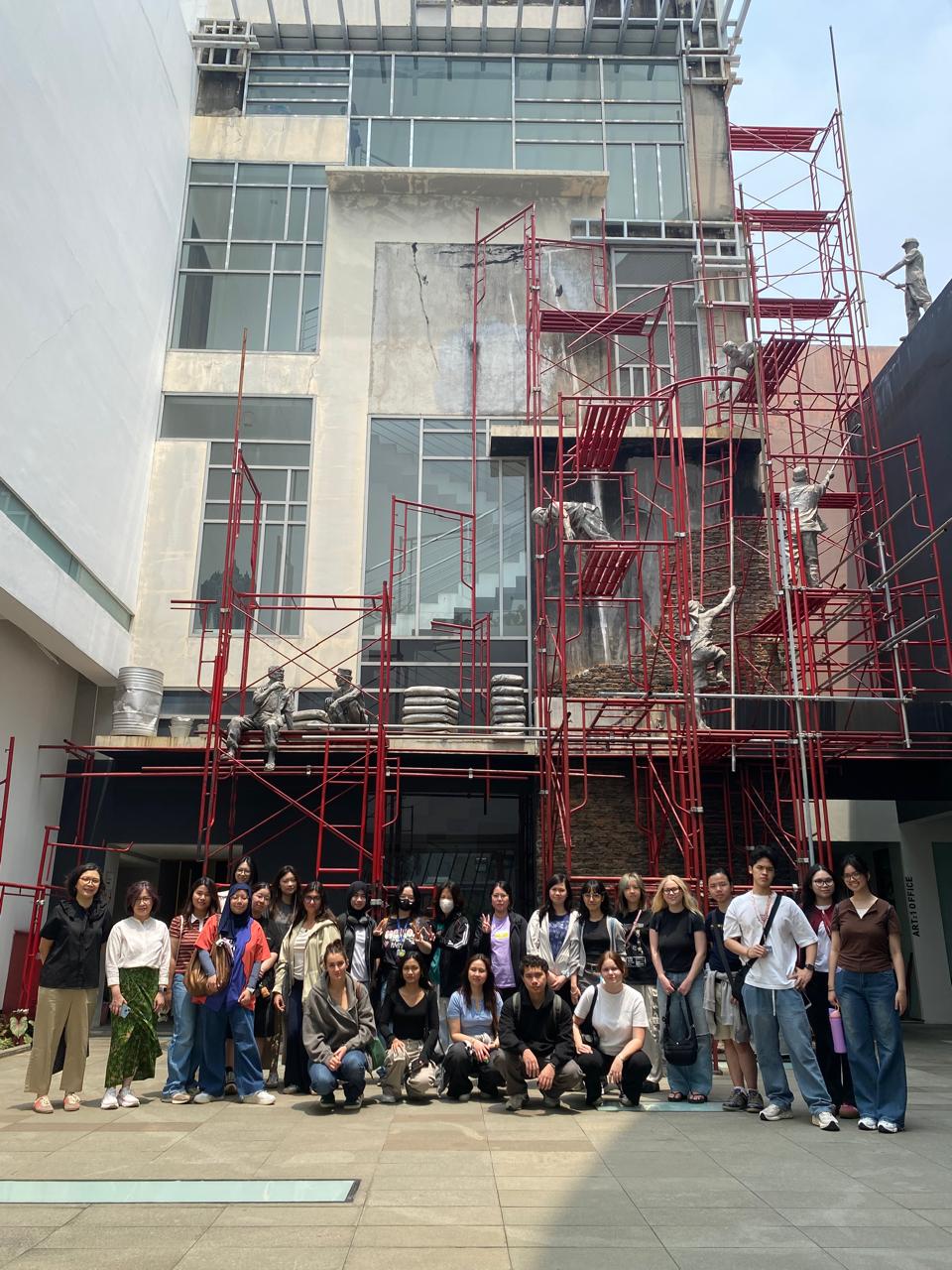
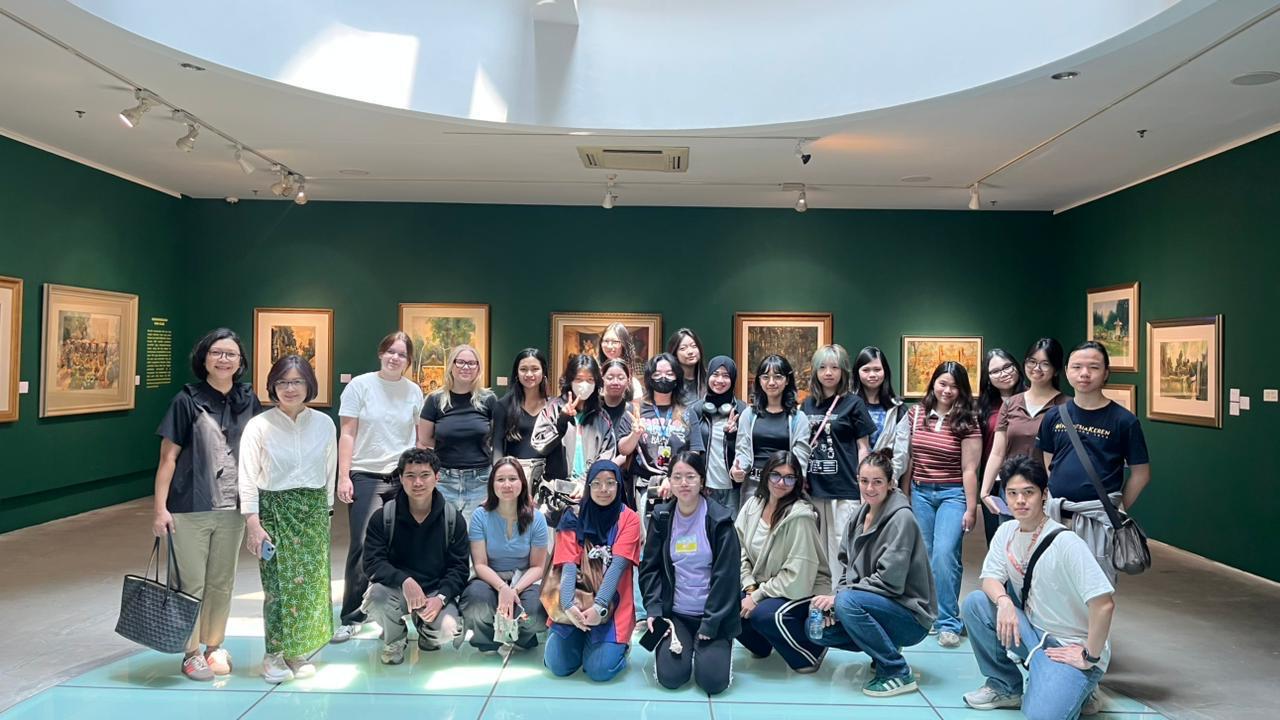
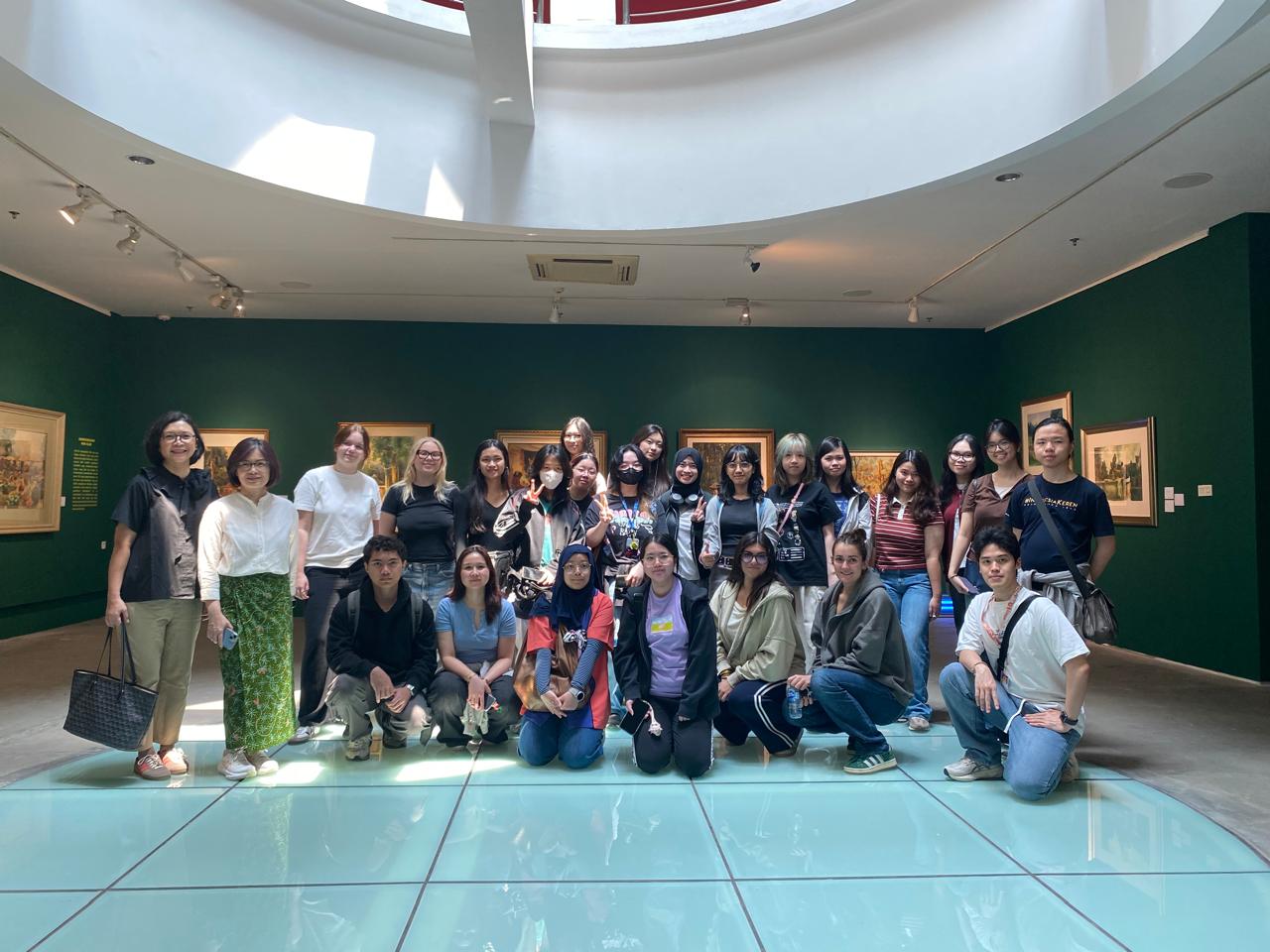
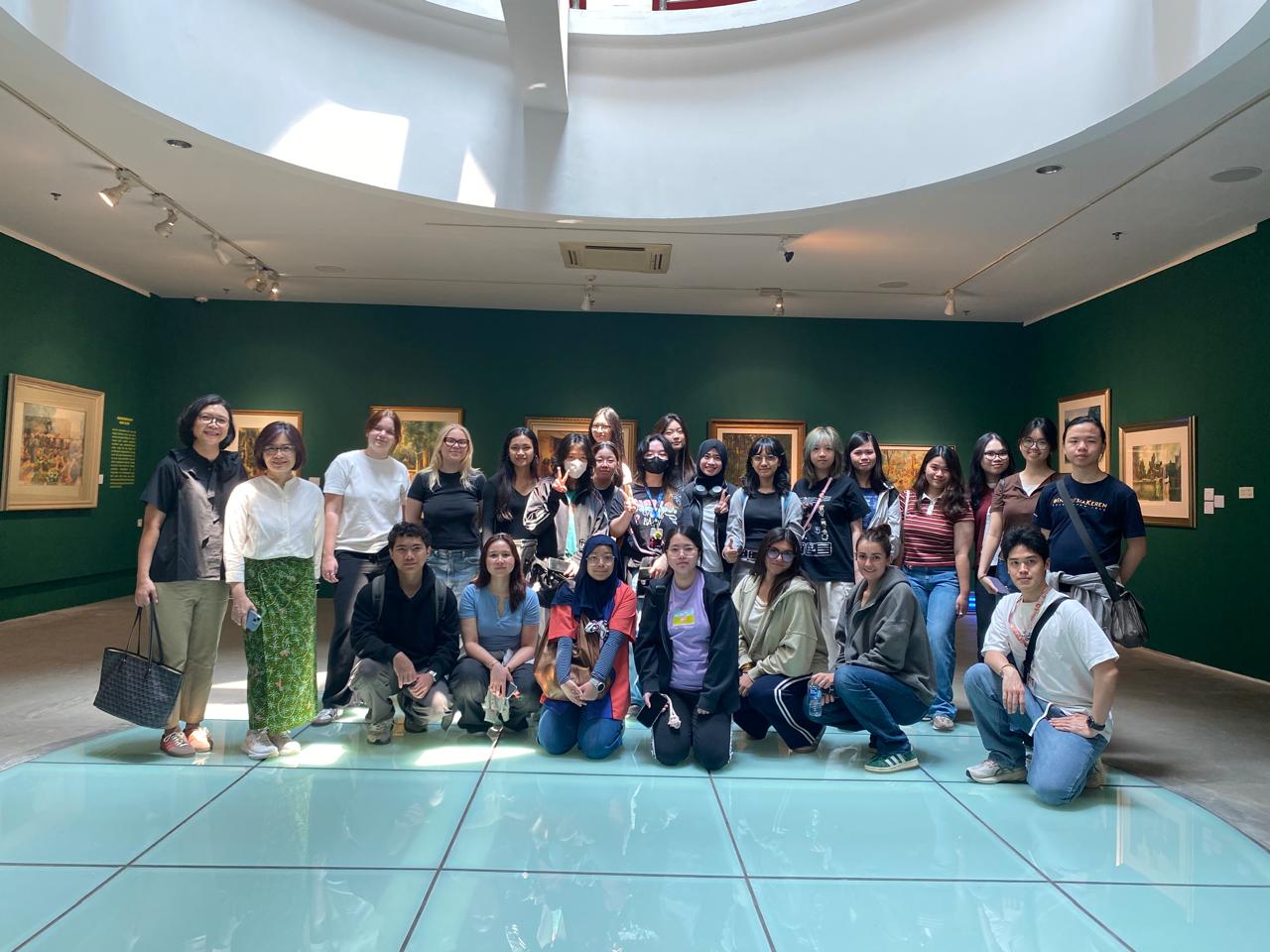
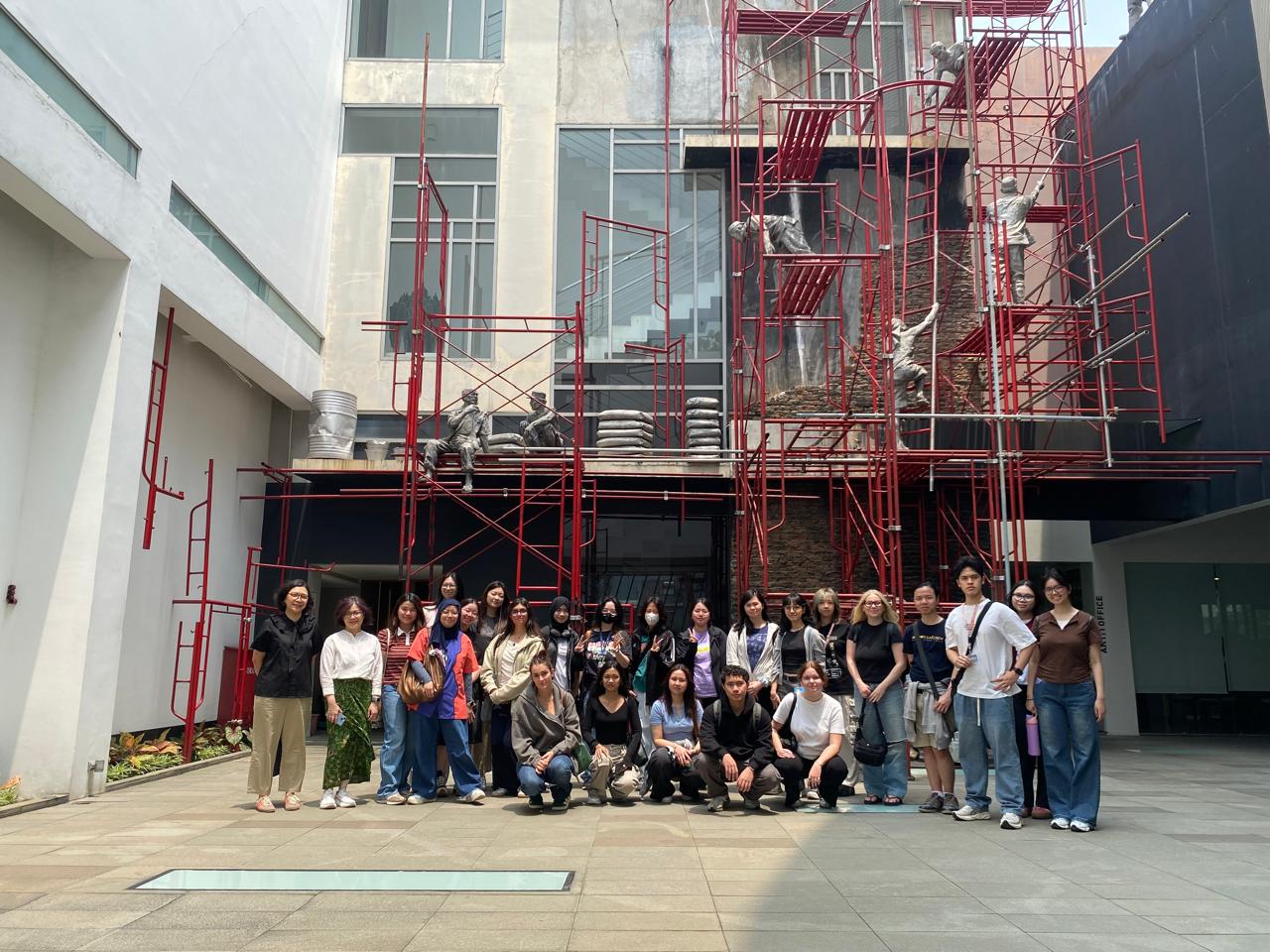
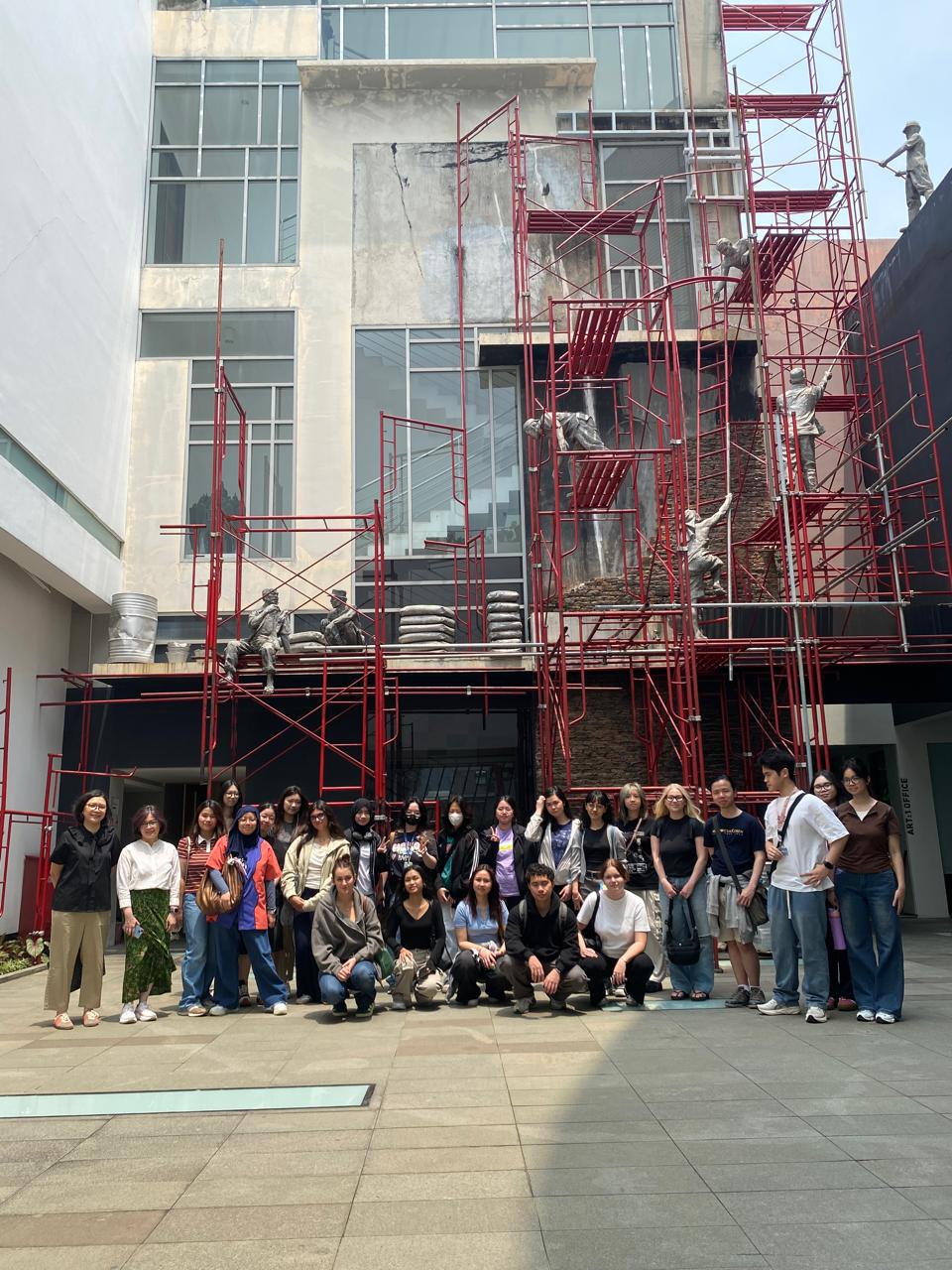
February 11th,2026 Students from the Graphic Design and New Media program at BINUS International University recently conducted an educational visit to Museum of Modern and Contemporary Art in Nusantara (MACAN) M2 – Art:1 New Museum as part of their visual culture and design studies. The visit focused on exploring the exhibition “Perlawanan Melalui Tatapan: Impresi dan Citra Pascakolonial Chris Suharso,” a compelling presentation of works by Indonesian artist Chris Suharso, curated by art historian and curator Mikke Susanto. The exhibition investigates postcolonial visual narratives through expressive portraits and symbolic imagery, inviting viewers to reflect on the historical and cultural layers embedded within visual representation.
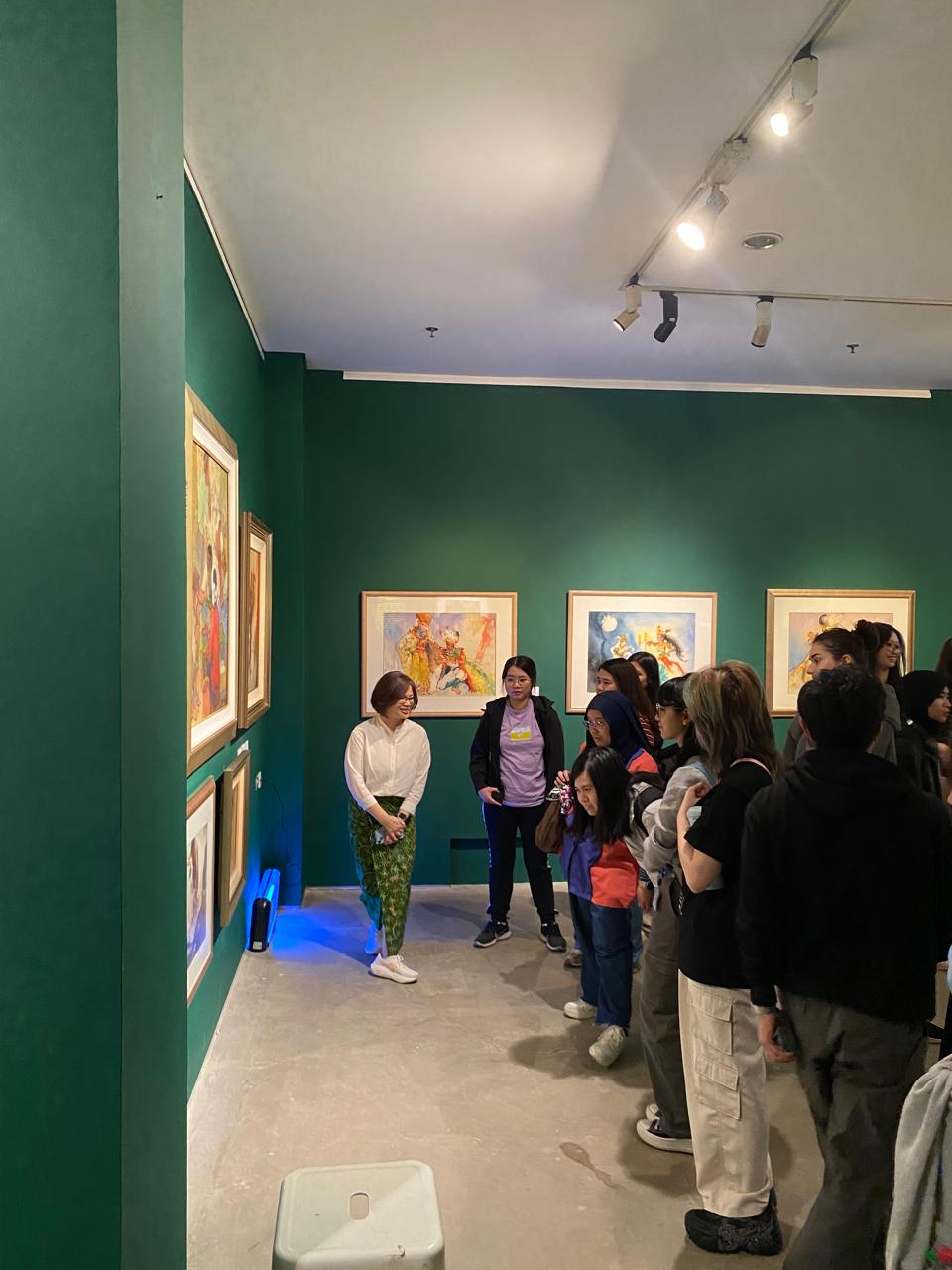
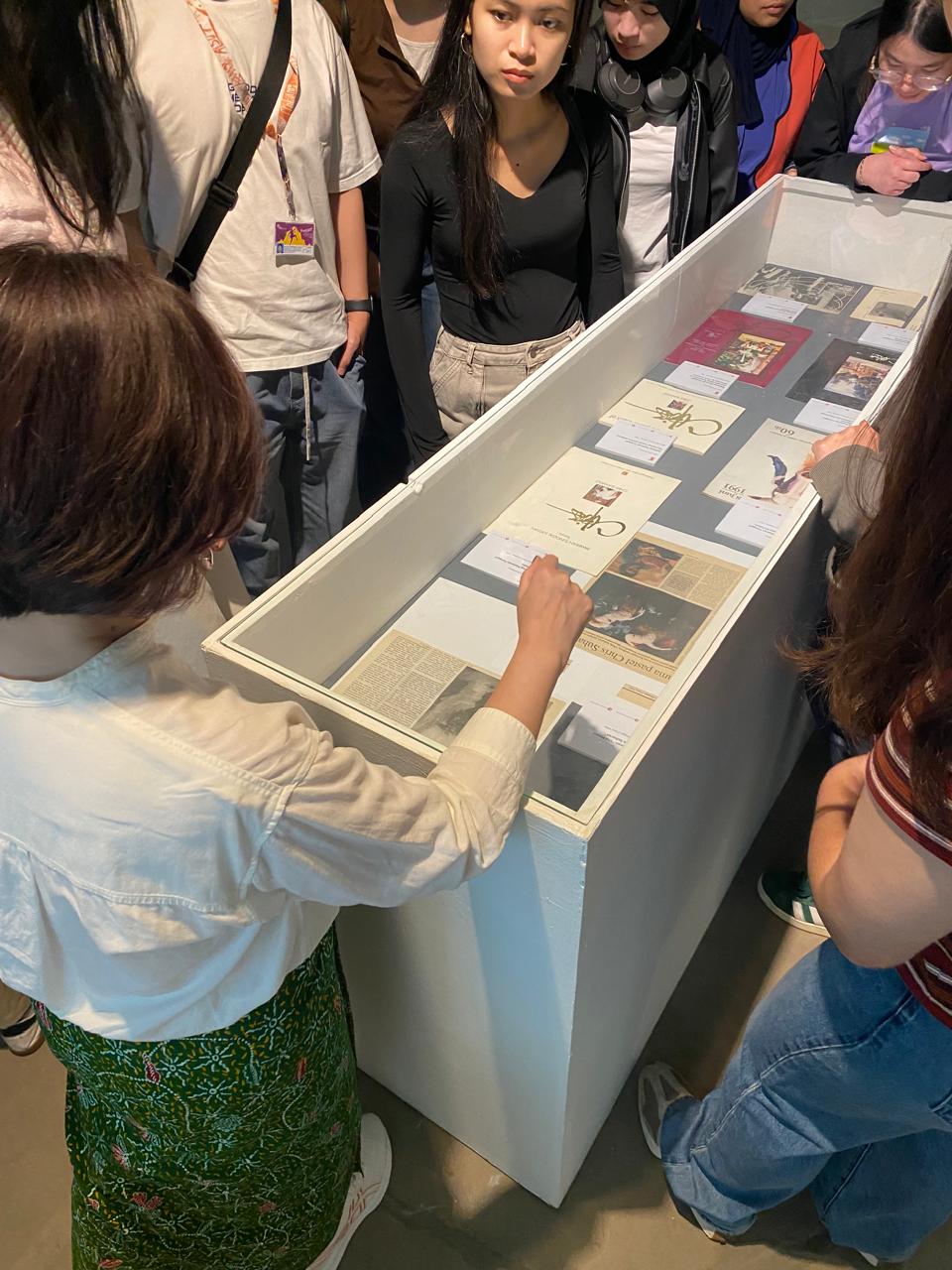
During the visit, students engaged directly with the artworks, observing how Suharso’s painterly techniques and visual metaphors challenge dominant historical perspectives while reclaiming identity through gaze and representation. The exhibition presents figures that confront the viewer, transforming the act of looking into a dialogue about power, memory, and resistance in postcolonial societies. Through these visual encounters, students were encouraged to critically examine how art and design can function as a medium of cultural commentary and social reflection.
Guided discussions throughout the gallery allowed students to analyze the relationship between visual form, narrative symbolism, and socio-political context. The curatorial approach by Susanto frames Suharso’s works within broader discourses of postcolonial identity, emphasizing how artists reinterpret historical imagery to construct new meanings in contemporary Indonesian art. For graphic design students, the experience provided valuable insights into how visual language—such as composition, color, gaze, and symbolism—can communicate complex cultural narratives.
This field visit reflects the program’s commitment to integrating academic learning with direct engagement in the contemporary art ecosystem. By observing and analyzing professional exhibitions, students develop a deeper understanding of visual storytelling, critical interpretation, and the role of designers in shaping cultural discourse. The visit ultimately encouraged students to reflect on how visual communication practices can respond to historical narratives, identity politics, and the evolving landscape of contemporary art in Indonesia