

Working around the World (WAW 2025) – A Global Collaboration for Change
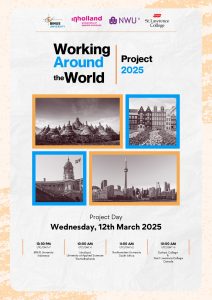
On March 12, 2025, students from around the world came together for an exciting and innovative global collaboration—Working around the World (WAW 2025). This initiative brought together creative minds from Canada, Indonesia, South Africa, and the Netherlands to tackle a meaningful challenge: design interactive games that promote inclusivity in cities while raising awareness of the sustainable development goals (SDGs).
A Global Partnership
The WAW 2025 project was a joint effort between four prestigious institutions across different continents
- BINUS University International – Indonesia
- Inholland University of Applied Sciences – The Netherlands
- Northwestern University (NWU) – South Africa
- Durham College & St. Lawrence College – Canada
Each institution contributed its expertise, culture, and innovative spirit to ensure a successful collaboration. The diversity of the backgrounds and perspectives enriched the project, making it a truly global learning experience.
The Challenge: Design a Game for Change
The students participating in WAW 2025 were given a unique challenge: to design a game that educates players on the economic and social impacts of the SDGs, with a specific focus on inclusivity in cities. The goal was to encourage creativity, teamwork, and problem-solving, while fostering a deeper understanding of the global challenges.
This ambitious challenge required students to work across different time zones, collaborating in teams that spanned multiple institutions. Each step of the process was designed to develop their research, design, and presentation skills while also providing them with hands-on experience in game development.
Project Objectives
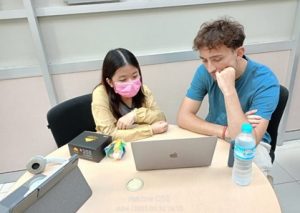
The WAW 2025 initiative aimed to fulfill several key objectives that would contribute to both student development and global awareness. First and foremost, the project was designed to enhance students’ creativity and problem-solving skills by encouraging them to think outside the box and develop innovative game concepts. By engaging in hands-on design activities, they explored new approaches to address urban inclusivity challenges. Additionally, the initiative emphasized teamwork and research abilities, as working in international teams required effective communication, coordination, and collaborative research. This experience helped the students navigate cultural differences and leverage diverse perspectives to create impactful solutions.
Another major objective of WAW 2025 was to deepen students’ understanding of the sustainable development goals (SDGs), particularly those related to inclusivity in urban environments. The project aimed to connect theoretical knowledge with practical applications, allowing students to see how global challenges manifest in real-life scenarios. Moreover, the initiative sought to encourage innovations in educational game design, highlighting the potentials of interactive media as a powerful tool for education and social awareness. By integrating learning with creativity, the students were able to develop games that not only entertained but also informed the players about pressing global issues.
Project Structure
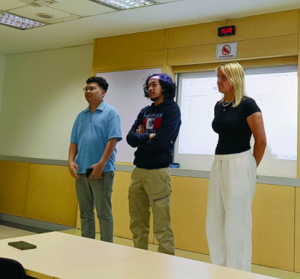
Each participating institution formed 15 teams, which were paired with similarly numbered teams from partner institutions. Over a span of 7 hours and 30 minutes, the students engaged in various stages of the project, from brainstorming ideas to pitching their final game concepts. Throughout the process, they utilized materials such as whiteboards, markers, sticky notes, and laptops. They also had access to SDG resources to aid their development. The project was divided into structured steps to guide students through the process systematically.
The event began with an introduction to the sustainable development goals (SDGs), focusing on inclusive cities. This session ensured that all participants understood the core issues related to economic and social inclusivity. The brainstorming phase was led by students at BINUS University, where teams generated initial ideas and explored game mechanics using visual mapping techniques. Following this, the research and design stages were undertaken by Northwestern University and Inholland University students, who delved into real-world challenges and case studies to create solid foundations for their game concepts.
Once the research phase was complete, St. Lawrence College and Durham College students worked in blended teams to develop prototypes of their games. Some teams created paper-based prototypes, while others built digital storyboards or wireframes. Playtesting and refinement followed, allowing teams to gather feedback, make adjustments, and ensure the effectiveness of their games. Afterward, the students prepared and delivered five-minute pitches to showcase their final game concepts, with an example pitch video provided to guide their presentations. The project concluded with reflection sessions, where students discussed the role of games in education and how they could apply their newly acquired skills to future endeavors.
A Step towards a More Inclusive World
The success of WAW 2025 demonstrated the power of global collaboration in addressing real-world challenges. By using design thinking and game development as tools for education, the students took meaningful steps toward promoting inclusivity and sustainability.
As we look to the future, projects like WAW 2025 serve as a reminder that young minds have the potential to shape a better world. This initiative was not just about designing games—it was about inspiring change, fostering connections, and empowering students to make a difference.
Together, we can build a more inclusive and sustainable world—one game at a time!