


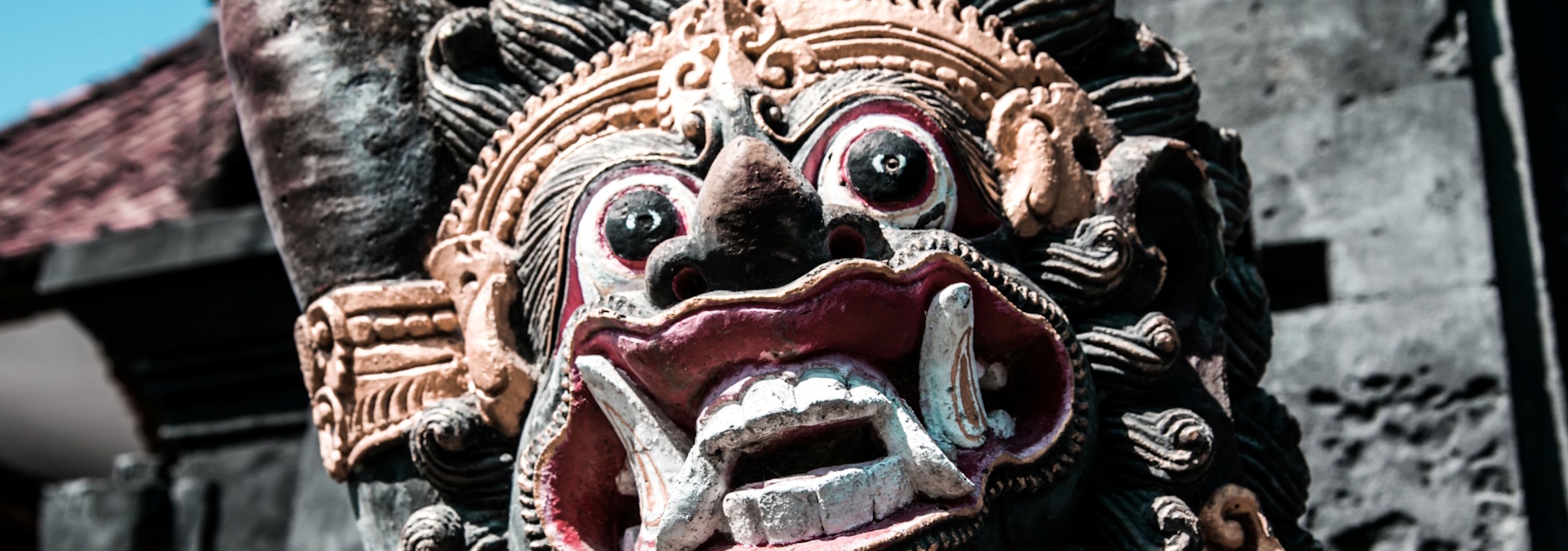
Indonesia festival culture hits different. Instead of showing fireworks and costumes only, they tell real stories, rituals, and meanings passed down through more than 300 cultures. If you’re planning to study or stay here, exploring these festivals gives you more than sightseeing.
You’ll experience how people live, celebrate, and believe. Stay curious, keep scrolling—because every Indonesia festival has a vibe and purpose you’ll only understand once you’re there.
1. Nyepi: The Loudest Silence You’ll Ever Witness
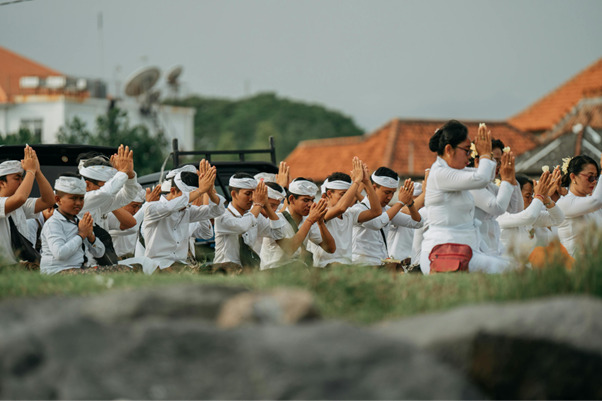
One night Bali is loud with Ogoh-Ogoh parades, and the next, everything stops—this is Nyepi that somehow feels surreal. Flights pause, streets empty, and the island goes into spiritual reset mode.
During Nyepi season in 2025, more than 400,000 visitors were in Bali,[1] proving that silent ritual is one of the most anticipated Indonesia holiday events, even if no one moves.
2. Cap Go Meh Singkawang
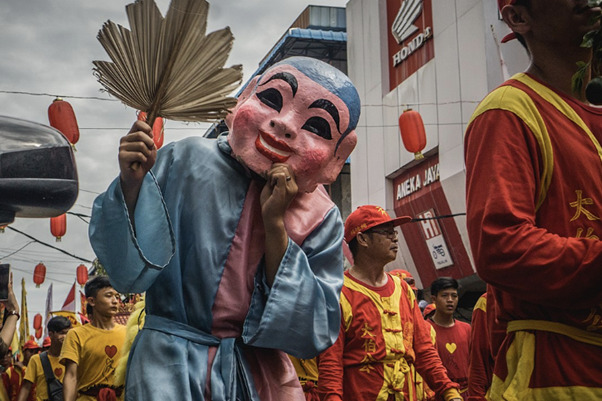
Cap Go Meh Singkawang is an identity for its huge community. With a large Chinese Indonesian community and countless temples across the city, the festival becomes a cultural bridge.
It also features Tatung performers and dragon parades that makes the entire scene louder, bolder, and mystical yet unforgettable, especially if cultural storytelling is your thing.
3. Jember Fashion Carnaval: Tradition on a Runway
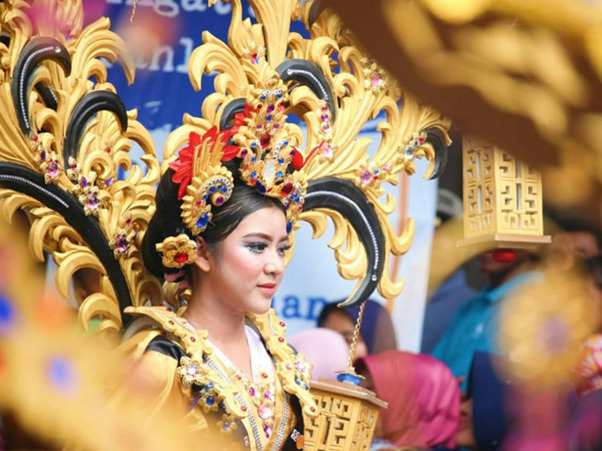
Here, culture becomes fashion and the street becomes a runway. Jember Fashion Carnaval is Met Gala energy but rooted in heritage. With locals and international participants, the crowds reached millions. It proves Indonesia can mix creativity and youth culture along with tradition into a full-on spectacle.
4. Bau Nyale

Bau Nyale is simply a fairytale brought to life. Locals gather on Lombok’s beaches to hunt sea worms linked to the tragic legend of Princess Mandalika. It’s weird, beautiful, emotional, and surprisingly fun for first-time festival explorers—especially if you love traditions tied to storytelling and nature.
5. Rambu Solo
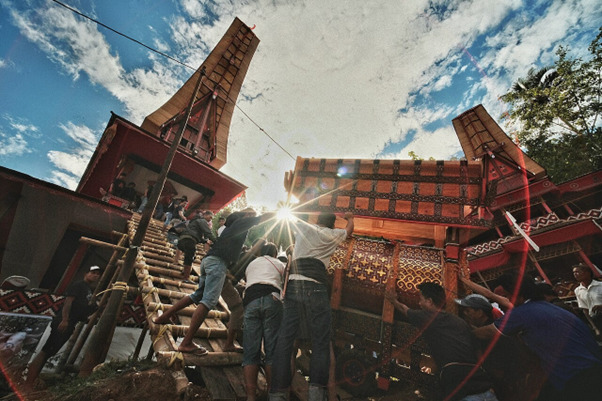
Rambu Solo in Toraja is beyond a “tourist show”. It comes with a deeply meaningful ritual about life and family as well as the afterlife. If you visit, observe with empathy, not a camera-first mindset.
It might be intense, but it’s also one of Indonesia’s most powerful cultural experiences—something that stays with you long after it’s over.
6. Kasada Bromo
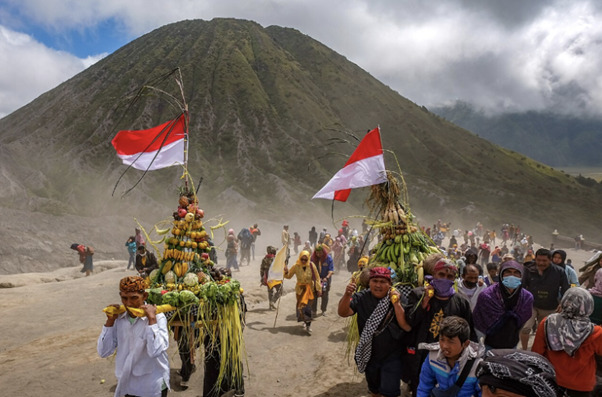
If you like physical activity, hiking Bromo before sunrise during Yadnya Kasada should be on your list. Besides, you can throw offerings into an active crater to honor ancestors, just like locals.
Kasada feels cinematic while being one of the most powerful traditional festivals in Indonesia. From the mountains to the silence, everything feels intentional, spiritual, and ancient.
7. Sandeq Festival
This festival feels fresh and raw because you’ll see traditional sailboats racing across West Sulawesi’s open water. It’s one of the famous festivals in Indonesia that highlights maritime identity and craftsmanship, while younger generations proudly keep the tradition alive.
8. Dieng Culture Festival
The Dieng Culture Festival blends ceremony and indie vibes. Think dreadlocked children’s ritual haircuts, live music, and lantern releases under cold mountain skies. With crowd numbers rising to around 20,000 visitors,[3] it’s become a go-to culture-meets-lifestyle event.
9. Sekaten
Sekaten is a shared heritage between Kesultanan Ngayogyakarta (Yogyakarta) and Kasunanan Surakarta (Solo). Both palaces hold ceremonies and lively night markets to honor the Prophet Muhammad’s birthday.
Between gamelan processions and palace traditions along with pasar rakyat crowds, it feels like stepping into history that’s still alive, making it one of the easiest cultural celebrations Indonesia offers.
10. Bali Arts Festival
If cultural festivals were a playlist, the Bali Arts Festival would be the full album—dance, music, textile art, carving, parades, and thousands of performers. With over 20,000 artists participating some years,[4] it proves culture here isn’t just preserved—it’s performed.
Before You Jump In
If it’s your first time joining a cultural event, a little prep goes a long way.
- Dress modestly, especially for religious or sacred ceremonies.
- Learn the meaning behind the ritual—Google is your friend.
- Ask before taking pictures, especially of performers or sacred items.
- Don’t touch offerings or ceremonial objects unless invited.
- And remember, you’re here to experience, not perform.
Learn, listen, and take it slow. If you’re planning to study here, these moments will shape your experience as much as classes and campuses. Your real education might happen between street parades, incense smoke, and unexpected conversations—because that’s the heart of an Indonesia festival.