

Illuminating Cinema: Andrew Thren’s Guest Lecture on Light and Dark
On Tuesday, December 2, 2025, Andrew Thren went to the Popular Culture and Film Studies class at BINUS @Kemanggisan for a guest lecture that explored the intricate role of light and dark in filmmaking. His session guided students through the technical, symbolic, and cultural dimensions of lighting and color, demonstrating how directors use these elements to shape meaning and emotion on screen.
Andrew began by introducing the concepts of low key lighting and high key lighting, illustrating their impact with examples from Rear Window and Hero. He then examined the use of high contrast lighting in classics such as Citizen Kane and The Empire Strikes Back, showing how stark visual contrasts can heighten drama and thematic depth.
The lecture also tackled reverse light-dark expectations, with examples from films like Bonnie and Clyde, Nightmare on Elm Street 4, and Edward Scissorhands, where directors subvert traditional associations of brightness and darkness to challenge audience perceptions.
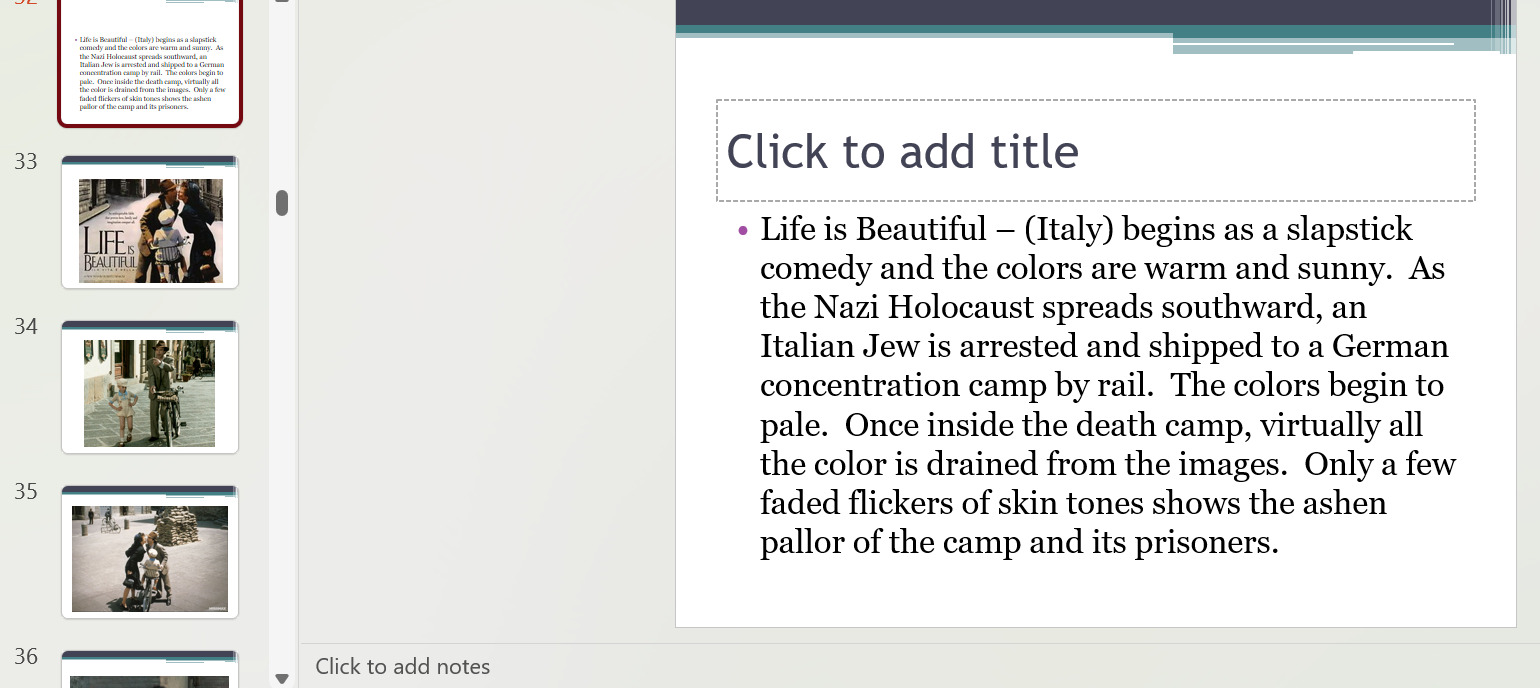
Moving beyond lighting, Andrew explored the meanings behind color themes, drawing on films such as Four Weddings and a Funeral, Aliens, Savage Nights, The Age of Innocence, and American Beauty. He discussed how color palettes and filmography choices—as seen in The Godfather and Married to the Mob—can reinforce narrative tone and character development.
War films such as Saving Private Ryan and Platoon provided further insight into how color meanings shift depending on setting, while the enduring significance of Film Noir lighting was highlighted through examples like Double Indemnity and Niagara.
The lecture concluded with a discussion of formalism and realism, emphasizing how directors employ lighting, colors, and angles as tools to convey their messages. Students were encouraged to see these techniques not just as stylistic choices, but as deliberate strategies to communicate meaning, mood, and perspective.