
Indonesia and the Future of Geopolitical Economics
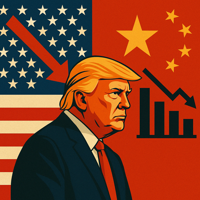
Indonesia’s Emerging Role: Amid global supply chain shifts, Indonesia finds itself at both an opportunity and a risk juncture. Strategic investment zones are rising, but institutional responses remain underdeveloped compared to regional peers.
Challenges on the Home Front:
-
Market volatility: Global tension weakens the rupiah and rattles the Jakarta Stock Exchange.
-
Capital flight: Foreign investors pull out during uncertainty, raising yields and government borrowing costs.
-
Monetary pressure: Bank Indonesia must carefully balance rate cuts with inflation control and currency defense.
Where’s the Strategic Response? Vietnam is widely viewed as geopolitically favorable, signing FTAs and offering a stable investment climate. Indonesia, meanwhile, has yet to define a post-tariff war strategy. President-elect Prabowo Subianto’s economic direction will be closely watched.
The New Global Logic: “Just-in-Case” We’re transitioning from “just-in-time” efficiency to “just-in-case” resilience. Firms now:
-
Hold inventory buffers,
-
Build redundant supplier networks,
-
Prioritize risk-proofing over mere cost-cutting.
Conclusion: Trump’s tariff war signals the rise of geopolitical economics—where strategic autonomy, tech sovereignty, and resilience matter more than ever. Indonesia has the potential to rise, but only if it seizes the moment with a clear, adaptive strategy.