

From Trade Tensions to Tech Wars – The Global Ripple Effect
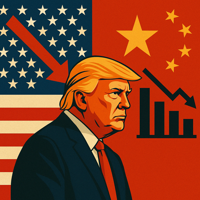
Technology as a New Battleground: What began as a tariff dispute soon expanded into a full-blown strategic rivalry. The U.S. moved to block Chinese access to advanced tech, including semiconductors and AI-related software. In response, China launched a tech self-reliance push under “Made in China 2025.”
Reactions Across the Globe: Nations like Indonesia were pulled into this rivalry, having to navigate their own tech choices carefully—whether in 5G infrastructure or AI alliances—balancing between Chinese and Western standards.
Four Structural Shifts:
-
Capital Realignment: FDI shifted from China toward more politically neutral markets.
-
Supply Chain Resilience: Firms transitioned from lean, cost-efficient models to diversified, regionally anchored production.
-
Geopolitical Risk Pricing: Risk valuation in equity and bond markets now includes political alignment.
-
Tech Decoupling: A bifurcation of global tech ecosystems forces countries to choose sides.
Indonesia’s Strategic Crossroads: Industrial zones in Batang and Kendal attract interest, yet Vietnam has outpaced Indonesia due to aggressive trade diplomacy and clearer geopolitical alignment. Without a defined strategy, Indonesia risks being a secondary relocation choice.
Conclusion: The tariff war catalyzed a lasting transformation in global technology and trade policy, with emerging markets caught in the crosshairs. Adaptation, not neutrality, may define success in this new order.